

Net Zero Logistics: How Transpeed Uses Solar Energy
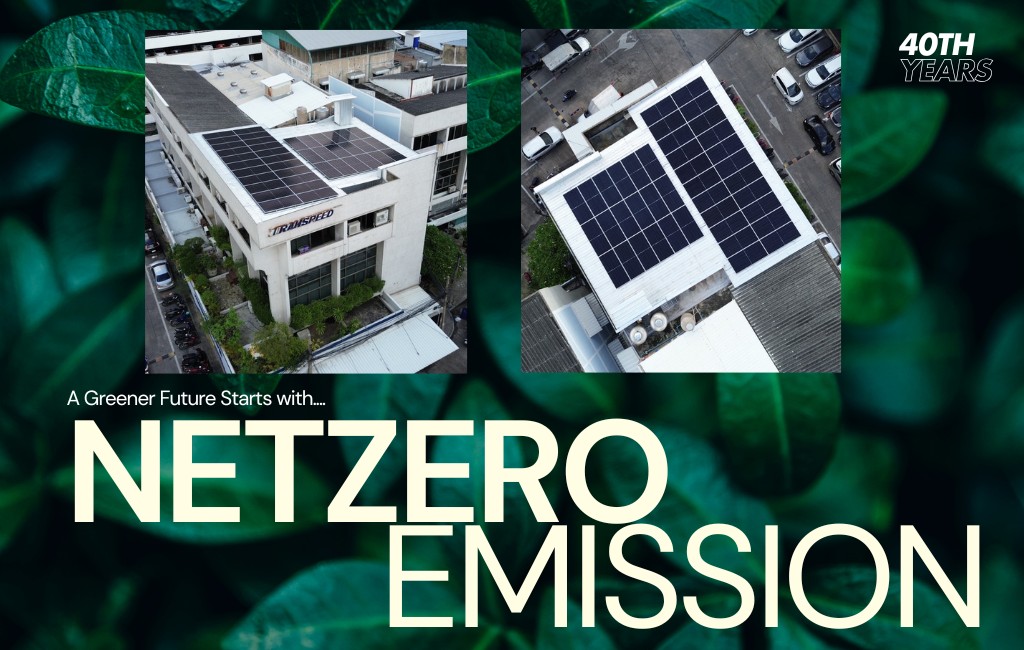
Net Zero Logistics is becoming an important priority for businesses building more responsible global supply chains. Transpeed is preparing for this lower-carbon future by installing a solar power system at its facilities in Thailand. By generating clean electricity on-site, we are increasing the use of renewable energy, reducing our reliance on conventional grid power, and creating a practical foundation for managing our operational carbon footprint.
Turning Our Net Zero Logistics Commitment into Practical Action
Net Zero Logistics requires more than a long-term statement. It begins with practical changes that can improve how a company uses energy and manages its day-to-day operations.
Transpeed has taken an initial, tangible step by installing solar panels at our facilities. The system allows us to generate renewable electricity on-site and use cleaner energy in our operations. This initiative supports our environmental readiness while helping us build a more efficient and resilient business for the future.
Our solar energy initiative is designed to:
- Increase the share of renewable electricity used at our facilities.
- Reduce dependence on electricity generated from conventional energy sources.
- Support the reduction of greenhouse gas emissions associated with purchased electricity.
- Create a stronger foundation for future energy and carbon-footprint measurement.
- Improve long-term operational efficiency and energy resilience.
Why Carbon Footprint Management Matters in Logistics
Freight forwarding connects manufacturers, airlines, shipping lines, transport operators, customs authorities, and customers across global supply chains. Although a freight forwarder may not own every aircraft, vessel, or truck used for transportation, its operational choices and partner network can influence supply-chain efficiency and environmental performance.
Customers and overseas logistics partners are also placing greater importance on environmental, social, and governance requirements. They increasingly need suppliers that understand carbon-footprint management and are ready to support more transparent and responsible supply chains.
For Transpeed, preparing for this transition is part of responsible business management. It strengthens our ability to serve international customers whose procurement policies, supplier assessments, and sustainability goals continue to evolve.
As Net Zero Logistics expectations grow, early preparation also helps Transpeed respond to future customer requirements with greater transparency and confidence.
How Solar Energy Supports Net Zero Logistics at Transpeed
Electricity purchased for offices and operational facilities is generally classified as Scope 2 emissions under the Greenhouse Gas Protocol. Generating solar electricity on-site can reduce the amount of conventional grid electricity a business needs to purchase, helping lower this part of its operational footprint when measured using an appropriate accounting method.
For Transpeed, Net Zero Logistics is a long-term direction rather than a claim that the company has already achieved net zero. A credible pathway requires an organization to measure its relevant emissions, reduce them deeply across its operations and value chain, and address only the residual emissions that cannot yet be eliminated. Our solar project is therefore a credible starting point: a visible investment that moves our environmental commitment into action.
Building a Credible Path Toward Lower-Carbon Logistics
Transpeed’s Net Zero Logistics direction is based on continuous improvement. The areas we are preparing to develop include:
- Energy and emissions measurement — strengthening data collection to better understand energy use and relevant operational emissions.
- Efficient facilities and operations — identifying opportunities to reduce unnecessary energy consumption and improve resource efficiency.
- Smarter logistics planning — considering shipment urgency, consolidation, routing, and transport options when designing practical solutions for customers.
- Partner collaboration — working with airlines, shipping lines, trucking providers, overseas agents, and customers as sustainability expectations develop across the supply chain.
- Transparent communication — reporting meaningful progress based on measurable actions and avoiding unsupported environmental claims.
This step-by-step approach helps ensure that our sustainability journey remains practical, transparent, and connected to the real requirements of international logistics.
What Net Zero Logistics Means for Customers and Global Partners
For more than four decades, Transpeed has helped businesses manage international and domestic shipments through customized freight forwarding, customs clearance, and specialized logistics solutions. Today, service quality must include not only speed, reliability, compliance, and cost control, but also readiness for a lower-carbon economy.
Our investment in solar energy demonstrates that Transpeed is preparing its own operations for changing customer expectations. It also gives international freight forwarders, importers, exporters, and corporate customers greater confidence that their Thailand logistics partner recognizes the importance of sustainability and is taking practical action.
A Greener Future Starts with Action
The transition toward Net Zero Logistics will take time, reliable data, operational improvement, and cooperation across the entire logistics value chain. Transpeed has begun this journey with a tangible investment in solar energy at our facilities in Thailand.
We remain committed to combining more than four decades of freight forwarding experience with responsible business practices that support customers, partners, communities, and the future of global trade.
Looking for a reliable freight forwarder in Thailand that is preparing for a lower-carbon future? Explore our air freight services, sea freight services, or contact Transpeed to discuss a logistics solution for your business.
Frequently Asked Questions
How is Transpeed preparing for Net Zero Logistics?
Transpeed is preparing for Net Zero Logistics by installing a solar power system at its facilities in Thailand. The system increases the use of renewable electricity, reduces reliance on conventional grid power, and establishes a practical foundation for managing operational greenhouse gas emissions.
Has Transpeed already achieved net-zero emissions?
No. The solar installation is an important step in Transpeed’s journey toward net-zero emissions, but it is not a claim that net zero has already been achieved. A credible net-zero pathway requires emissions measurement, deep reductions across relevant operations and the value chain, and transparent reporting over time.
How can solar energy reduce a logistics company’s carbon footprint?
Solar panels generate renewable electricity on-site. This can reduce the amount of conventional grid electricity purchased by offices and operational facilities, helping lower emissions associated with electricity use when calculated under an appropriate greenhouse gas accounting method.
Why does sustainable freight forwarding matter to international customers?
Many companies now assess the environmental readiness of their suppliers and logistics partners. Working with a freight forwarder that understands carbon-footprint management can support supplier reviews, ESG goals, and the transition toward more transparent global supply chains.
What are Scope 1, Scope 2, and Scope 3 emissions in logistics?
Scope 1 covers direct emissions from sources controlled by a company, such as fuel used by company-owned vehicles. Scope 2 covers indirect emissions from purchased energy, including electricity. Scope 3 covers other value-chain emissions, which may include contracted transportation, business travel, purchased services, and other upstream or downstream activities relevant to the company.
Authoritative References
- GHG Protocol Corporate Standard
- GHG Protocol Corporate Value Chain (Scope 3) Standard
- United Nations Net Zero Coalition
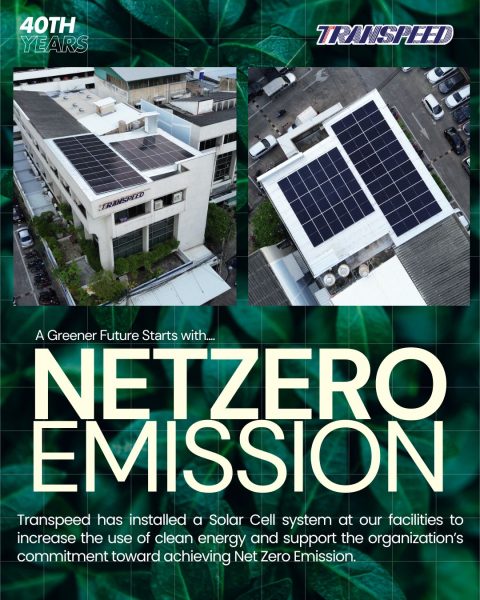
Transpeed’s on-site solar power system supports cleaner operations and the company’s long-term journey toward net-zero emissions.